• Home
  • About
  • Contact
  • Privacy Policy
Picture

Home

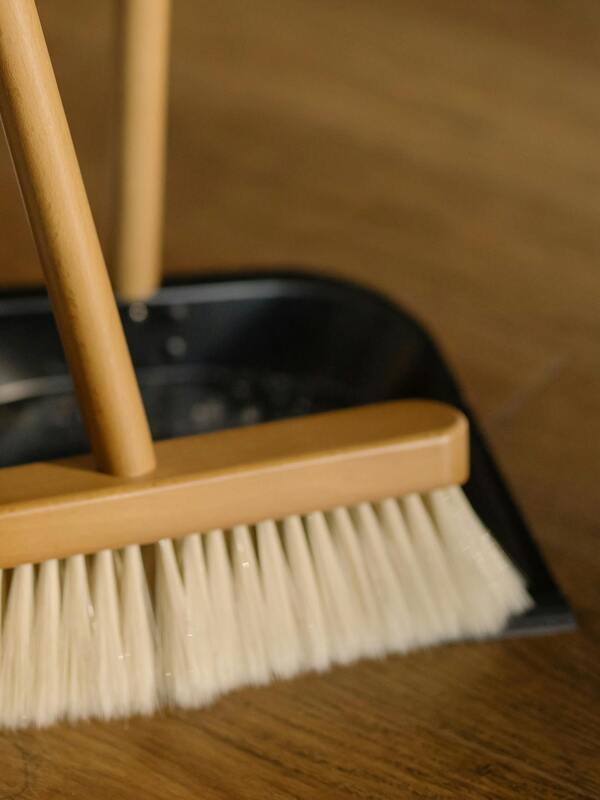
A broom is a cleaning tool designed to sweep dust, dirt, and debris from surfaces like floors or outdoor areas. It consists of two main parts:
  • Handle (stick or shaft)
  • Bristles (also called brush, head, or sweep part)
Types of BroomsDifferent brooms are suited to different environments and purposes.
🔸 a) Traditional Broom / Corn Broom
  • Made of natural materials like broomcorn or sorghum.
  • Often used for rough or outdoor surfaces.
  • Good for garages, sidewalks, and porches.
🔸 b) Push Broom
  • Wide brush head.
  • Used to sweep large areas quickly.
  • Ideal for warehouses, large hallways, garages.
🔸 c) Angled Broom
  • Slanted bristles help reach corners and edges.
  • Common for indoor use.
🔸 d) Rubber Broom
  • Made of rubber bristles.
  • Effective for hair, especially on carpet.
  • Also used for scrubbing and cleaning spills.
🔸 e) Soft Bristle Broom
  • Fine, soft bristles.
  • Best for smooth indoor surfaces like hardwood, tiles, and laminate.
🔸 f) Hard Bristle Broom
  • Stiff, coarse bristles.
  • Suitable for rough surfaces like concrete or pavement.
🔸 g) Electric or Motorized Brooms
  • Battery-operated.
  • Combine sweeping and suction.
  • Best for quick indoor cleaning.
Materials Used🔹 Bristles:
  • Natural: Broomcorn, sorghum, coconut fiber.
  • Synthetic: Plastic (polypropylene), rubber, nylon.
    • Synthetic bristles last longer and resist moisture.
🔹 Handle:
  • Wood: Strong, traditional, but can be heavy.
  • Metal (Aluminum/Steel): Durable and lightweight.
  • Plastic: Light, often telescopic or adjustable.
  • Fiberglass: Strong and corrosion-resistant.
​Broom Care & Maintenance
  • Clean the bristles regularly to prevent buildup of dirt.
  • Hang brooms or store them bristle-side up to avoid bending.
  • Trim frayed bristles with scissors if needed.
  • Avoid wet environments unless the broom is moisture-resistant.
  • Wash synthetic brooms with soap and water; let them dry completely

​Accessories and Variations
  • Dustpan: Used alongside a broom for collecting debris.
  • Squeegee combo: Some brooms include a rubber edge for wet use.
  • Telescopic handles: For adjustable length and better reach.
  • Detachable heads: For easy replacement or cleaning.
Picture
Environmental Considerations
  • Natural fiber brooms are biodegradable.
  • Plastic brooms are longer-lasting but not biodegradable.
  • Sustainable options include recycled materials or FSC-certified wood handles.


​Cultural & Symbolic Uses
  • Witchcraft and folklore: Associated with flight, rituals, or sweeping away negative energy.
  • Weddings (Jumping the Broom): A symbolic tradition in some cultures.
  • Housewarming: Given as gifts to “sweep in” good fortune.

Safety Tips
  • Don’t leave brooms lying flat — they’re tripping hazards.
  • Use proper posture to avoid back strain when sweeping.
  • Replace broken or splintered handles.
​Ergonomic Features
  • Foam or rubber grips reduce hand fatigue.
  • Adjustable/telescoping handles for custom height.
  • Angled heads reduce the need for wrist twisting.
Handle Length
  • Standard: ~48–54 inches
  • Taller users benefit from 60+ inch handles
  • Shorter handles for tight spaces or handheld brooms
Picture
.
  • Home
  • About
  • Contact
  • Privacy Policy